
Javanese Language Levels Explained: Understanding Ngoko, Madya, and Krama
Learn about the three main Javanese language levels—Ngoko, Madya, and Krama—and how they reflect familiarity, respect, and social etiquette in Javanese communication.

PilihanNgomong: Understanding a Common Javanese Word for Speaking and Talking
Learn about the three main Javanese language levels—Ngoko, Madya, and Krama—and how they reflect familiarity, respect, and social etiquette in Javanese communication.

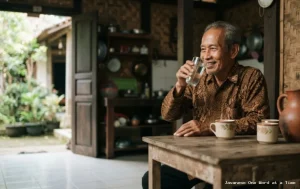
Explore the cultural meaning of ngombe in Javanese life, from everyday drinking and hospitality to social interaction, language, and changing modern practices.

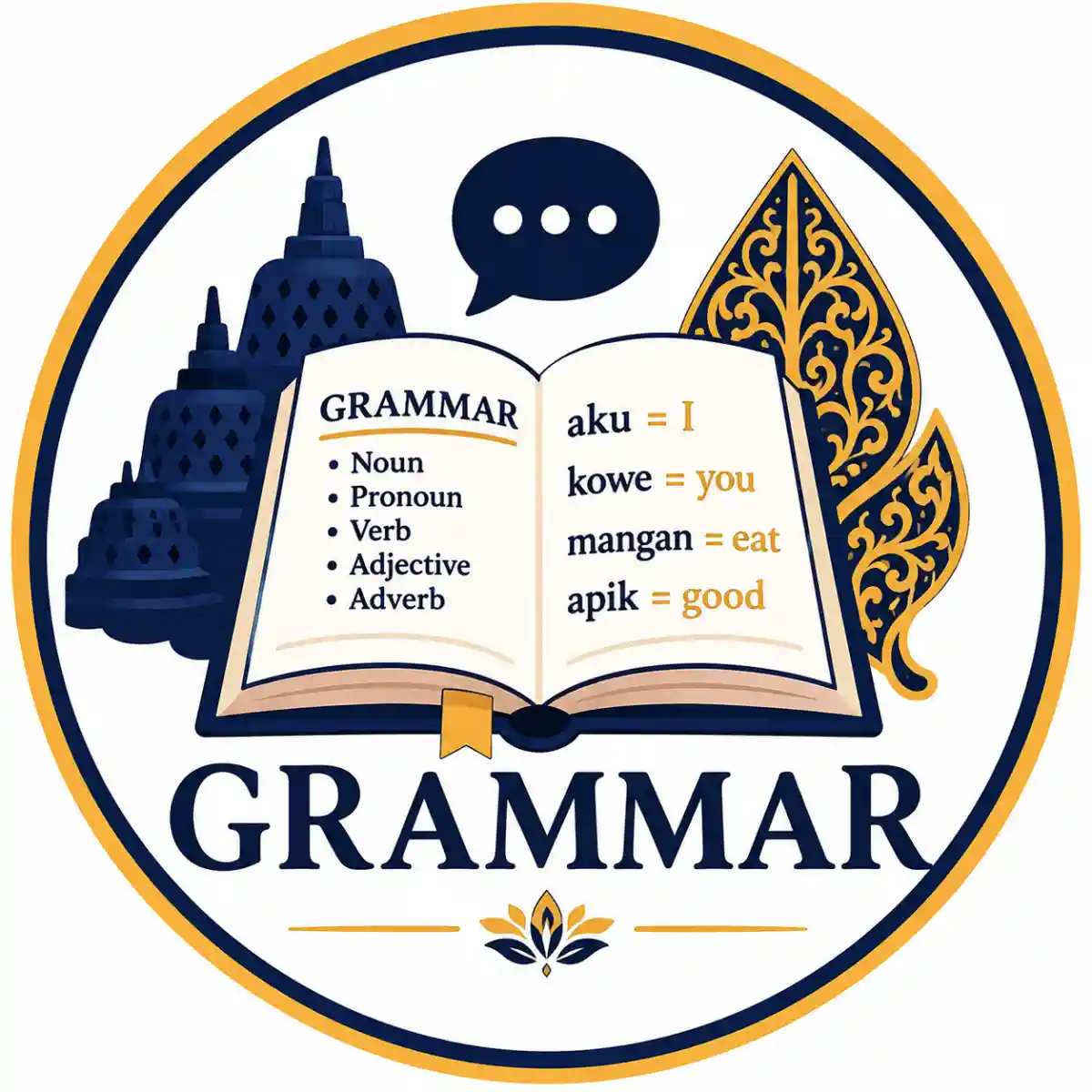
Learn how ngombe works in Javanese grammar, including sentence patterns, examples, Ngoko usage, speech levels, common mistakes, and everyday conversation.

Learn what ngombe means in Javanese, its natural English translation, literal meaning, everyday usage, speech level, politeness, and examples in context.

Learn what ngombe means in Javanese, how to pronounce it, when to use it in everyday conversation, and how it works in natural Javanese sentences.

Learn about Javanese script history, from the ancient Kawi writing tradition to the modern script associated with Javanese literary and cultural heritage.

Learn what turu means in Javanese, how it is used in everyday communication, and what this simple word reveals about language, social context, and Javanese culture.

Learn how turu works in Javanese grammar, including its meaning, sentence patterns, examples, speech level, common mistakes, and everyday conversational use.

Learn what turu means in Javanese, its natural English translations, Ngoko usage, politeness, examples, and everyday conversational context.